Waste disposal rules for Kingston house removals
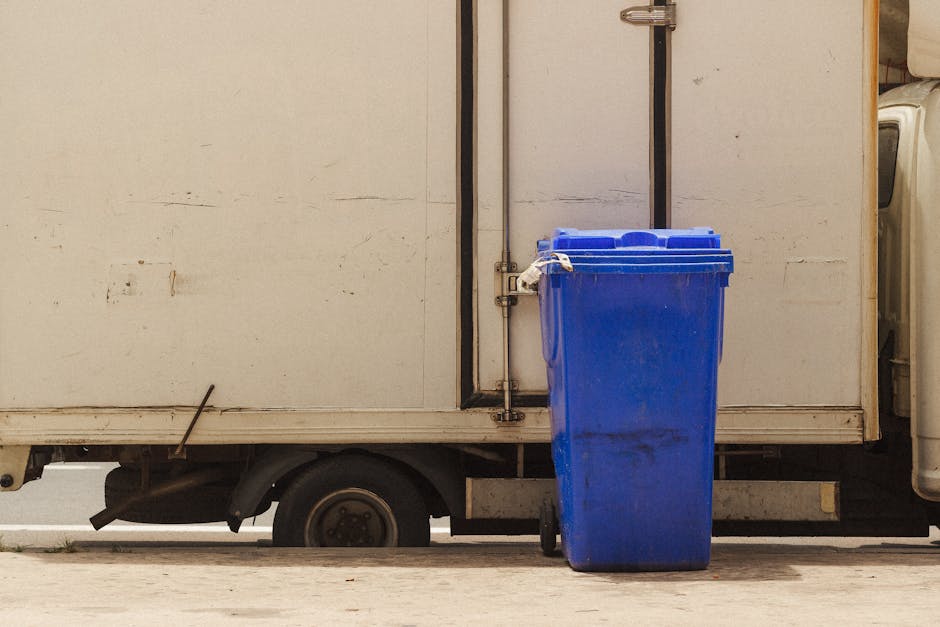
Moving house is stressful enough without ending up with a pile of broken furniture, half-used paint tins, old mattresses, and mystery junk at the kerb. The waste disposal rules for Kingston house removals can feel a bit fiddly at first, but once you understand the basics, the whole process becomes much smoother. You keep the move safer, avoid fly-tipping problems, and make better decisions about what should be reused, recycled, stored, or responsibly removed. That matters whether you are clearing a family home, a flat, or a rental property that needs to be handed back in decent shape.
In this guide, we'll walk through what the rules mean in practice, what removals teams normally can and cannot take, how to sort items before moving day, and where people most often go wrong. We'll also cover practical examples from everyday Kingston house moves, because let's face it, the tricky stuff is usually not the sofa. It's the awkward mixed waste in the cupboard under the stairs.
Why Waste disposal rules for Kingston house removals Matters
Waste rules are not just a paperwork issue. During a house removal, waste quickly becomes a logistics issue, a safety issue, and sometimes a legal one. If rubbish is left mixed in with reusable household items, the move takes longer, the vehicle space gets wasted, and the wrong things may end up being loaded. That can lead to extra charges, delays, or a messy handover at the new place or the old one.
There is also the simple reality that not everything belongs in a removal van. Some items need careful handling, some should go to recycling, and some should be disposed of separately because they are hazardous, bulky, or restricted. If you sort this early, you reduce the amount of guesswork on moving day. You also make it much easier to work in line with Kingston removals best practice and broader UK waste duties.
For homeowners, landlords, tenants, and even small businesses moving out of a residential property, this matters because waste can attract complaints, create odours, or become a trip hazard. A bag of torn packaging left near a doorway might not look dramatic in the morning. By 4pm, it can be the thing everyone is stepping around. It's never the glamorous part of moving, but it is the part that keeps everything orderly.
If you are comparing moving options, it can also help to look at practical support such as house removals, home moves, or even furniture pick up for items that should leave the property before the main move. For bigger and more complex jobs, removal services can help structure the whole day properly rather than leaving waste decisions to the last minute.
How Waste disposal rules for Kingston house removals Works
In practice, waste disposal for a house removal is about separating items into sensible categories before collection day. Most households end up with five broad groups: keep, donate, recycle, dispose, and leave for specialist handling. The cleaner that split is, the easier the move becomes. You do not need to turn your home into a sorting warehouse, but a basic plan goes a long way.
The main thing to understand is that moving teams are there to transport goods, not to act as a general waste contractor unless that service is clearly arranged in advance. That means you should check which items are included, which are excluded, and whether any bulky waste or unwanted furniture needs a separate arrangement. If you need help shifting heavy items out before the move, services like furniture removals or a flexible option such as man and van may be useful depending on scale.
There is also a timing angle. Some waste should be dealt with before the moving truck arrives, especially if it blocks access, takes up floor space, or creates a smell. If you wait until the last hour, you often end up making rushed decisions. That is when people throw random things into the "maybe" pile. The maybe pile, frankly, is where moves go to get complicated.
Good practice usually looks like this: confirm what should stay and what should go, identify reusable items, bag or box up small waste, isolate anything hazardous, and decide whether bulky unwanted items need specialist collection. If you are moving from a flat with tight access, this is even more important, and flat removals often benefit from tighter pre-sorting because there is less room to manoeuvre.
Key Benefits and Practical Advantages
Getting waste disposal right before a Kingston house removal has a few obvious benefits, and a few that people only notice afterwards.
- Less clutter on moving day: fewer loose items means quicker loading and less confusion.
- Lower risk of damage: rubbish tucked near furniture can get crushed, spill, or mark clean items.
- Better recycling outcomes: cardboard, textiles, and metal are easier to separate when sorted early.
- Cleaner property handover: especially useful for tenants, landlords, and anyone trying to avoid disputes.
- Safer lifting and carrying: a tidy route reduces trip hazards and awkward last-minute handling.
- More accurate vehicle planning: you only book the space and help you actually need.
There is a commercial upside too. If you are arranging a move as part of a wider property clean-out, waste planning can cut the number of journeys required. That matters for time, fuel, and simple peace of mind. A tidy move is usually a cheaper move, even if it does not feel that way while you are filling black sacks at 10pm.
It also supports sustainability. Many households in Kingston want to reduce what ends up as general waste, and that is where thoughtful sorting helps. Reuse where possible, donate when suitable, recycle when accepted, and treat disposal as the last resort rather than the first. The approach is practical, not preachy. Just sensible.
Who This Is For and When It Makes Sense
This topic is relevant to almost anyone preparing for a house move in Kingston, but it is especially useful if you are dealing with one of these situations:
- you have a loft, garage, shed, or under-stairs area packed with mixed items
- you are leaving a rental property and need to avoid leaving rubbish behind
- you are moving after a long tenancy and have bulky furniture to clear
- you are downsizing and need to decide what can realistically go with you
- you are moving a family home with lots of packaging, toys, and broken household goods
- you are handling an inherited property and need a more careful clear-out
- you want to reduce how much goes into storage by clearing waste first
It also makes sense if you are a student moving out of a shared place with a mix of abandoned kitchen items, old desk chairs, and random "everyone thought someone else was taking it" bits. That scenario is oddly common. For lighter moves, student removals can be a good fit, especially when the main challenge is simply keeping everything organised and not carrying junk from one place to another.
If you are moving for work, the same logic applies. Household waste rules and office waste rules are not identical, but the habit is the same: separate early, label clearly, and do not assume the mover can take everything. For broader relocation planning, commercial moves and office removals show why structured sorting always pays off.
Step-by-Step Guidance
Here is a practical way to handle waste disposal rules for Kingston house removals without overthinking it.
- Walk through the property room by room. Start with visible waste, then move to cupboards, loft spaces, garden edges, and storage areas. The hidden corners always reveal the real story.
- Separate reusable items from actual waste. A lamp with a loose shade may be reusable. A cracked, unsafe lamp base probably is not.
- Sort recyclables. Cardboard, paper, plastics, metal, and some textiles are often easier to handle if bundled separately.
- Isolate hazardous or awkward items. Paint, chemicals, batteries, sharp objects, and anything leaking should be kept away from standard household waste.
- Decide on bulky items early. Old beds, wardrobes, sofas, white goods, and mattresses should not be left until the final hour.
- Check what your removal provider can take. If you need transport for furniture and some unwanted items, discuss that in advance rather than assuming.
- Label piles clearly. A simple note such as "keep," "recycle," or "dispose" saves a lot of mixed messages on moving day.
- Leave pathways clear. The cleaner the access route, the faster the load and the safer the day.
One useful trick is to sort with three physical zones: keep with you, remove separately, and undecided. But set a time limit on the undecided pile. Otherwise you will still be debating old cables and chipped mugs while the kettle is already on in the new kitchen.
If you are also planning storage, decide what truly needs to go into storage instead of staying in the removal pile. That can prevent paying to store things you should have recycled or disposed of. A good place to think that through is alongside storage and packing and boxes so the move and the packing strategy match each other.
Expert Tips for Better Results
After enough moves, a few patterns become very obvious. The households that handle waste well are not the ones with the least stuff. They are the ones that decide early and stay consistent.
- Do the waste sort before packing starts. If you pack first, you just carry unnecessary items into boxes you will unpack again later. Annoying, and a waste of tape.
- Keep cleaning supplies nearby. Some items reveal their true condition only when lifted. Dust, crumbs, damp patches, and sticky residues matter when deciding what can be donated or reused.
- Use clear bags or labelled boxes for recyclable materials. It makes it easier to spot mixed waste before it gets loaded by mistake.
- Take photos of bulky waste if you are unsure. This can help when you are talking through collection options or clarifying what should stay out of the van.
- Plan for the final 24 hours. That is when stray bin bags multiply. They just do.
Another small but useful habit: keep a "do not load" area. Put anything uncertain there, especially if it is hazardous, personal, or waiting on a decision. That prevents mix-ups when everything starts moving fast.
If you want a move that feels calmer, it also helps to choose a provider with strong operational detail behind the scenes. Pages like house removalists, removal companies, and house removals can be useful touchpoints when comparing support, scope, and the level of hands-on help you need.
Common Mistakes to Avoid
Most waste-related problems in house removals come from a handful of predictable mistakes. None of them are dramatic, but together they create the sort of move that feels messy before it even begins.
- Leaving everything until the morning of the move. This is the big one. Rushed sorting leads to bad decisions.
- Mixing waste with packed belongings. Once the boxes are sealed, it is easy to lose track of what should not go.
- Assuming the mover will dispose of everything. Always check scope clearly.
- Not separating hazardous waste. This can be unsafe and may not be accepted with normal household rubbish.
- Forgetting outdoor waste. Garden bags, old planters, broken chairs, and shed leftovers are often overlooked.
- Overfilling bags and boxes. Heavy waste becomes a lifting risk very quickly.
- Not planning for bulky furniture. A sofa that is no longer wanted needs a separate decision, not a shrug.
One slightly awkward but very common mistake is keeping "maybe" items in the move because they feel easier to deal with later. In reality, later often means never, and then the item just sits in the hallway for three more weeks. We have all seen that hallway.
Tools, Resources and Recommendations
You do not need special equipment, but a few simple tools make waste sorting much easier.
- Marker pens and labels: great for naming bags and boxes clearly.
- Strong refuse sacks: useful for lightweight general waste, though they should not be overloaded.
- Boxes or crates: better for mixed recyclable packaging or items you are still sorting.
- Gloves: sensible for lofts, garages, sheds, and anything dusty or sharp.
- Sticky notes or room labels: handy when several people are helping with the move.
- Phone camera: practical for recording uncertain items before you decide what to do with them.
For service planning, it may help to combine waste sorting with the wider moving plan. For example, packing and unpacking services can reduce the chaos around what gets boxed, what gets binned, and what stays accessible. If you need lighter transport for selected items, man with van or removal van options may suit smaller loads better than a larger vehicle.
For sustainability-minded households, it is also worth looking at recycling and sustainability. Even without overcomplicating things, that mindset helps you reduce waste and make sharper choices about what leaves the property.
Law, Compliance, Standards, or Best Practice
Waste disposal during a house removal sits within general UK expectations around responsible waste handling. You do not need to become a legal expert to move house properly, but you should understand the basic principle: household waste should be managed responsibly, and it should never be dumped illegally or handed over casually without checking what is being accepted.
Best practice usually means the following:
- sort waste and reusable goods separately
- keep hazardous items apart from general rubbish
- avoid overloading bags with sharp or heavy items
- only use removal support for waste if that arrangement is clearly agreed
- make sure bulky items are handled safely and legally
In a moving context, compliance is partly about responsibility and partly about clarity. If you are a tenant, it is especially wise to leave the property tidy and free of rubbish so there is no disagreement about end-of-tenancy condition. If you are a homeowner, the same principle still applies, just with fewer conversations about inventory and more about practicality.
It also helps to understand that removal firms may have their own operational policies covering safety, insurance, and acceptable loads. Reading those terms before the move is not exciting, granted, but it is one of those tiny tasks that saves you from larger headaches later. A quick look at terms and conditions and health and safety policy can be a very sensible move.
Options, Methods, or Comparison Table
There is more than one way to handle unwanted items during a Kingston house move. The right option depends on the item, the time available, and how much lifting you want to do yourself.
| Option | Best for | Pros | Things to watch |
|---|---|---|---|
| Keep and move | Useful, wanted household items | Simple, avoids extra handling | Do not keep things just because packing them feels easier |
| Donate or pass on | Clean, reusable furniture and household goods | Reduces waste, can be quick if arranged early | Only works if the item is in decent condition |
| Recycle | Cardboard, metal, some plastics, textiles | Better for the environment, often low cost | Mixed materials can be awkward |
| Separate disposal | General household waste and broken non-hazardous items | Clear and straightforward | Needs proper sorting and safe handling |
| Specialist handling | Bulky, heavy, fragile, or hazardous items | Safer and more controlled | Usually needs advance planning |
For many households, the simplest answer is a blended one. Keep the good stuff, recycle what you can, and arrange separate help for furniture or awkward items. That is usually the least stressful route, honestly.
Case Study or Real-World Example
Picture a typical Kingston terraced house move on a damp Thursday morning. The family has boxes ready, but there is also a broken garden bench, a half-filled drawer of cables, three bags of clothes that might be donation material, and a spare mattress leaning in the hallway. By the time the movers arrive, the property already feels crowded.
The move goes better when the waste plan is handled the day before. The clothes get separated into reusable and unusable piles. The cables are checked and bundled. The bench is flagged for separate disposal because it will not travel well. The mattress is kept out of the main load, because nobody wants springy furniture taking up space next to clean boxes. The result is simple: the van loads faster, the hallway stays clear, and the new home does not inherit the old clutter.
That kind of job is where forward planning pays off. If the household had just packed everything and hoped for the best, the entire process would have taken longer and probably felt more chaotic. A move does not need to be perfect. But it should feel intentional. There is a difference.
For similar moves with a lot of furniture turnover, furniture removals and furniture pick up can be part of a sensible waste-reduction plan, especially when the goal is to separate usable pieces from true disposal items.
Practical Checklist
Use this checklist a few days before moving day. It keeps the waste side of the move from becoming a last-minute scramble.
- Walk through every room and identify items to keep, donate, recycle, or dispose of
- Check lofts, sheds, garages, cupboards, and under-bed storage
- Separate hazardous items from normal waste
- Bundle cardboard, paper, and other recyclables where practical
- Keep important documents and personal valuables out of waste piles
- Confirm what your movers can and cannot take
- Arrange separate handling for bulky furniture if needed
- Label everything clearly
- Leave clear access routes on moving day
- Do a final sweep of the property before departure
Expert summary: the smoothest Kingston house removals usually come from early sorting, clear labels, and a firm decision on bulky or unwanted items before the van arrives. Simple, but it works.
Conclusion
Waste disposal rules for Kingston house removals are really about order, safety, and common sense. Once you separate reusable items, recyclable materials, general waste, and anything that needs specialist handling, the whole move becomes more manageable. You reduce stress, keep access routes clear, and avoid the awkward rush that so often happens when people leave sorting until the last minute.
The best approach is not complicated: decide early, label clearly, and treat waste as a separate part of the move rather than an afterthought. If you do that, the rest of the day tends to flow better. Not perfectly, maybe, but better. And on moving day, better is a very good thing.
If you are planning a move and want help keeping everything organised, it is worth reviewing your options alongside removals, removal van, and pricing and quotes so you can match the service to the job rather than forcing the job to fit the service.
Get a free quote today and see how much you can save.
Frequently Asked Questions
What counts as waste during a house removal?
Waste usually includes broken items, damaged furniture, packaging you no longer need, old household clutter, and anything you are choosing not to take to the new property. If it is not being kept, donated, or recycled, it probably belongs in the disposal plan.
Can removal companies take my rubbish as well as my furniture?
Sometimes, yes, but only if that is clearly agreed in advance. Do not assume all removals teams include rubbish clearance. It is better to ask early than to leave bags by the front door and hope for the best.
What should I do with old furniture before moving?
If the furniture is still usable, consider donating or passing it on. If it is damaged or unsafe, separate it for disposal or specialist collection. For bulky pieces, arranging this ahead of the move saves a lot of hassle.
Are paint tins and cleaning chemicals allowed in normal household waste?
Usually, no. These items need careful handling because they can be hazardous or restricted. Keep them separate and treat them as specialist waste rather than mixing them with general rubbish.
Do I need to sort recycling before moving day?
Yes, ideally. Cardboard, paper, and other recyclables are far easier to manage when sorted in advance. If you wait until the last minute, recyclable items tend to get mixed with ordinary waste.
What happens if I leave rubbish behind in a rental property?
That can lead to deductions, complaints, or additional cleaning/disposal charges, depending on the tenancy situation. A final sweep of the property is worth the time, even when you are exhausted and just want the keys handed over.
Can I put broken glass in a rubbish bag?
You can, but only if it is wrapped securely and safely marked so nobody gets cut. Never leave loose shards in an open bag or box. That is asking for trouble, honestly.
How early should I start sorting waste before a move?
For a normal house move, a few days is the minimum, but earlier is better if you have loft clutter, garden waste, or lots of bulky furniture. The earlier you start, the less rushed the decision-making becomes.
Is storage better than disposing of items I am unsure about?
Not always. Storage makes sense for items you genuinely want to keep but cannot move yet. If something is broken, unwanted, or unlikely to be used again, storing it usually just delays the decision and adds cost.
What is the best way to avoid mixed waste on moving day?
Use clearly labelled piles or boxes, keep a separate area for items that are not going in the van, and do a final check the evening before. A little structure goes a long way here.
Do flat moves need different waste planning?
Yes, often they do. Flats usually have tighter access, more stairs or lift restrictions, and less space to leave things lying around. That makes pre-sorting even more useful. If you are dealing with a smaller property, flat removals planning can help reduce clutter before loading starts.
Where can I find help if I need a larger moving vehicle?
If you are moving a bigger load or a mix of furniture and unwanted items, it may help to look at moving truck or removal truck hire options. The right vehicle makes waste separation and loading much easier.