Removal access problems Kingston narrow streets solutions
Posted on 12/06/2026
Removal access problems Kingston narrow streets solutions: a practical guide for tight roads, awkward turns and stress-free moving day
If you are dealing with Removal access problems Kingston narrow streets solutions, you are probably already picturing the awkward bits: a van that cannot swing into the road, cars parked nose-to-tail, a staircase that feels a bit too narrow for a sofa, or a delivery window that suddenly looks way too small. Kingston can be lovely, but some of its streets are not exactly built for easy removals. Truth be told, that is where good planning matters most.
This guide breaks down the real-world options for moving in and around Kingston when access is limited. We will look at how access problems happen, what solutions actually work, when to choose a smaller vehicle or shuttle transfer, and how to avoid the mistakes that tend to turn a moving day into a very long day. If you want a calmer, more organised move, you are in the right place.

Why Removal access problems Kingston narrow streets solutions Matters
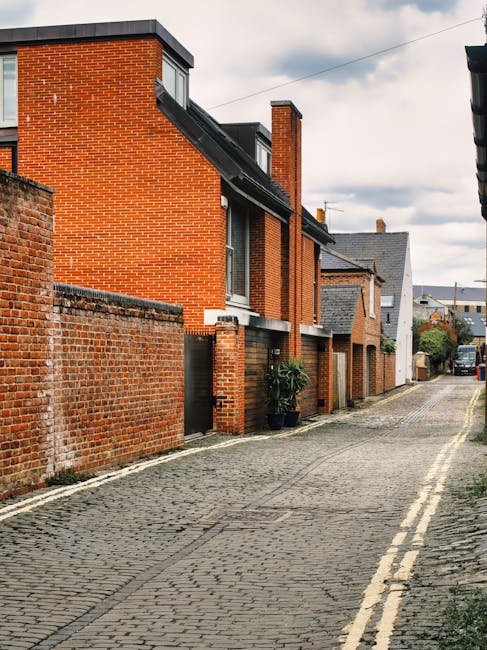
Kingston's narrower residential roads, busy parking patterns, and mixed property types create a very particular kind of moving challenge. One minute everything looks straightforward on a quote form; the next, the removal van is blocked by parked cars, the entrance is down a side lane, and the lift is not quite as generous as you hoped. That is why access planning is not an optional extra. It sits right at the heart of a smooth move.
Access issues matter because they affect three things at once: time, safety, and cost control. If the vehicle cannot park close enough, the team may need extra carrying distance. If furniture needs to be moved in smaller pieces, the packing strategy changes. If a road is tight enough to make reversing difficult, the driver may need a different vehicle size or a staggered loading plan. Small issues add up quickly.
In Kingston, this also connects to local realism. Some homes are in older terraces, converted flats, riverside developments, or streets where on-road space is competitive by late morning. If you have ever stood with a kettle in one hand and watched a van try to edge around two parked cars, you will know the feeling. It is not dramatic, just inconvenient. But inconvenience on moving day is enough.
For anyone comparing moving options, the wider service picture helps too. A good starting point is the site's removal services in Kingston upon Thames, alongside the broader services overview and Kingston removals information, because access problems are usually solved best when the whole move is planned, not just the loading stage.
How Removal access problems Kingston narrow streets solutions Works
The best access solution is rarely one single trick. It is usually a combination of route planning, vehicle choice, timing, packing discipline, and on-the-day flexibility. In practice, the process tends to work like this:
- Access is assessed early. The mover checks street width, parking options, turning space, entrance steps, lift access, and the distance between the vehicle and the property.
- The removal method is matched to the property. A full-size lorry may be fine for one address, while a smaller vehicle or split-load approach is better for another.
- The team decides how goods will travel. Sometimes everything can go in one run. Sometimes a shuttle transfer from a larger van to a smaller one is the safer choice.
- Packing and dismantling are adjusted. Bulky wardrobes, beds, and headboards may need to come apart before moving day.
- The move is timed to avoid bottlenecks. Early starts can be useful, but only if parking and access are genuinely manageable at that time.
The phrase "narrow streets solution" can sound technical, but it often comes down to simple judgement. Can the vehicle physically get near the door? Can two people carry a wardrobe around a blind corner without scraping a wall? Is there enough space for the ramp, trolley, or tail lift to operate safely? These are the questions that matter.
For tighter urban moves, many people find that a smaller vehicle works better than a larger one. That is why pages like man with a van Kingston upon Thames and man and van Kingston upon Thames can be useful when the property access is awkward but the move itself is modest. If you need a van rather than a full removals truck, the fit can be much better. Simple, but important.
Key Benefits and Practical Advantages
When access is handled properly, the difference is noticeable almost immediately. The move feels controlled instead of improvised. The team is not repeatedly carrying items farther than expected. And you are less likely to end up with that sinking feeling that the day is drifting off schedule.
- Less risk of damage. Shorter carry distances and better vehicle positioning reduce the chance of bumped corners, scuffed walls, and strained lifts.
- Better time accuracy. With a realistic access plan, arrival and completion times are easier to predict.
- Lower stress for you. You are not watching every tiny turn with worry. Which, let's face it, is a relief.
- More suitable vehicle choice. Narrow roads often favour a van or smaller truck over a larger vehicle.
- Improved crew efficiency. The team can load and unload in a cleaner rhythm when access is mapped out in advance.
- Fewer hidden surprises. Good access planning helps reduce unexpected extras caused by delays or additional carrying time. If pricing clarity matters to you, the page on pricing and quotes is worth reviewing, and so is the guidance on hidden charges in Kingston removals.
There is also a confidence benefit that people underestimate. Once you know the access plan is realistic, you stop second-guessing every detail. That matters more than it sounds, especially if you are moving from a flat, managing children, or trying to line up completion and handover in the same week.
Who This Is For and When It Makes Sense
This approach is useful for a wide range of movers, but it is especially relevant if your property or destination has one or more of the following:
- a narrow residential road with parked cars on both sides
- limited turning space for larger vans
- restricted waiting or loading space
- shared entrances, basements, or side access only
- upper-floor flats with tight stairwells
- older buildings with awkward hallways or low door frames
- short windows for parking or access due to permits or local restrictions
It also makes sense if you are moving a more fragile load. A piano, for example, is not something you just "figure out on the day". If access is tight, specialist handling becomes part of the plan. The same goes for awkward furniture and awkward staircases, which is why furniture removals in Kingston upon Thames can be a better fit than a generic moving arrangement.
Some of the most common scenarios we see are fairly ordinary. A tenant moving out of a KT2 flat with no lift. A family in a terraced house where the nearest legal parking spot is a short walk away. A small office shifting equipment from a street where only one vehicle can realistically stop at a time. Nothing exotic. Just urban moving life, really.
If your move is time-sensitive, it is worth checking whether a faster or smaller-scale solution makes more sense. Services such as same day removals Kingston upon Thames or man with a van Kingston upon Thames may suit some access-restricted jobs better than a larger setup.
Step-by-Step Guidance
If you want to handle access problems properly, the best results usually come from a methodical approach. Not glamorous, but effective.
1. Measure the access, not just the rooms
People often measure sofas and beds, then forget the road, the kerb, the front path, the stairwell, and the doorway. In a tight Kingston street, the access route is just as important as the furniture dimensions. Measure the width of the entrance if you can, note steps, and think about where a van could safely stop.
2. Share honest details early
If the stairs are steep, say so. If parking is awkward, say so. If there is a long walk from the van to the door, say so. Early honesty makes the job easier for everyone. It also prevents the sort of "we thought it would be fine" moment that tends to appear about 20 minutes after arrival.
3. Match the vehicle to the road
On some streets, a smaller van is simply the smarter option. On others, a larger vehicle can work if parking and reversing space are manageable. The key is suitability, not size for the sake of size. Bigger is not always better. Actually, quite often it is worse.
4. Plan for a shuttle if needed
A shuttle transfer means goods are moved from the property to a larger vehicle, or the other way around, in smaller loads. This is useful where a full-size van cannot reach the front door. It can add labour, but it often prevents damage and saves time overall.
5. Break down bulky items in advance
Disassembling beds, table legs, and wardrobes before moving day makes access problems easier to manage. Smaller pieces are easier to carry through tight hallways and narrow stairwells. Keep fixings in labelled bags. Boring advice, maybe, but you will thank yourself later.
6. Keep a clear hallway and landing
Even a perfect vehicle plan can be spoiled by clutter inside the property. Clear the route from each room to the exit. It makes everything faster and safer, especially on stair turns where one wrong move can leave a dent in the wall and everyone holding their breath.
7. Build in a little time buffer
Access-restricted moves rarely run best when packed too tightly. A small time buffer helps absorb a parking delay, a missing key, or a last-minute change. Not every move needs a huge margin. But a little breathing room goes a long way.
Expert Tips for Better Results
Here are the practical details that make a genuine difference, the sort of things experienced movers quietly rely on.
- Do a site visit if possible. Photos are useful, but they do not always show kerb height, turning radius, or the real awkwardness of a corner.
- Photograph the access route. A quick picture of the street, doorway, and stairwell can be more useful than a paragraph of description.
- Use soft packing for awkward manoeuvres. Blankets, wraps, and corner protection matter more when there are tight turns and close walls.
- Keep the first-load items accessible. Essentials should not be buried under heavier furniture.
- Check whether storage might help. If access is very limited, splitting the move into stages can be sensible. The site's storage in Kingston upon Thames page is useful for that kind of thinking.
- Choose the right crew size. Too few people and everything slows down. Too many and the space becomes crowded. It is a balancing act.
One small but important tip: think about what happens after the van arrives. People often focus on loading, then forget unloading conditions at the destination. If the new road is equally tight, you may need the same plan on both ends. That is where experienced local knowledge helps a lot.
For office or commercial moves, the access puzzle becomes a little different. Equipment, paperwork, desks, and fragile tech all need predictable handling. If that is your situation, the guidance on office removals in Kingston upon Thames and the local examples in office removals Kingston Riverside Bentall Centre are useful reading.

Common Mistakes to Avoid
Most access problems become serious because of avoidable assumptions. That is the honest truth of it.
- Assuming a large van will be fine. A bigger vehicle can create more problems on a narrow street than it solves.
- Underestimating walking distance. A 10-metre carry becomes tiring very quickly when repeated many times.
- Forgetting about parking pressure. In Kingston, a "just stop outside" approach can be optimistic at best.
- Not mentioning stairs, bends, or low ceilings. These are not minor details. They are the details.
- Packing everything in one piece. If furniture cannot be dismantled, tight access gets much harder.
- Leaving access checks until moving morning. By then it is too late to change the plan.
- Ignoring weather. Wet paths, slippery steps, and heavy rain make narrow access even more awkward.
Another common mistake is trying to "save time" by not telling the mover about the tricky bits. That almost never saves time. It usually just shifts the stress to the day itself, which is not exactly a bargain.
Tools, Resources and Recommendations
You do not need fancy equipment to manage access well, but a few practical tools help a lot:
- Measuring tape for doors, stair widths, and furniture dimensions
- Phone camera for pictures of the route, kerbs, and entrances
- Labelled bags or boxes for fixings and dismantled parts
- Furniture blankets and covers for tight-corner protection
- Floor runners or protective sheets for damp days and busy hallways
- Clear notes listing parking restrictions, buzzer codes, floor numbers, and key collection arrangements
If you are weighing up which kind of moving support is right for a tight street, the most relevant pages to compare are removal van Kingston upon Thames, man and a van Kingston upon Thames, and house removals Kingston upon Thames. Each one suits different property layouts and load sizes.
For students and renters, access issues often go hand in hand with stairs, shared entrances, and short turnaround times. That is where student removals Kingston upon Thames and flat removals Kingston upon Thames are especially relevant. If your move is from a compact flat near the station or along busier routes, the local guides on house removals Kingston Station KT1 local guide, flat removals Canbury Gardens KT2 quick local service, and man and van Kingston Hill short distance moves can help you think through the practical side.
Law, Compliance, Standards, or Best Practice
Access planning is not just about convenience. It also touches safety and, in some cases, local parking rules and property management arrangements. You do not need to become an expert in regulations to move home, but you do need to respect the basics.
In practice, that means checking whether a loading bay, resident permit bay, or time-restricted stopping point is available near the property. It also means making sure the removals team works safely around steps, wet surfaces, and awkward lifting points. Good movers follow sensible manual handling practices, use suitable equipment, and avoid pushing a vehicle into a position that creates unnecessary risk.
If there is a communal building, the freeholder, managing agent, or concierge may have move-in/move-out rules. These can include lift booking windows, protective covering requirements, or restricted hours. It sounds a bit fussy sometimes, but those rules usually exist because someone once had a bad moving day and the building has been paying for it ever since.
For confidence, it helps to check the company's own standards around safety and responsibilities. Relevant pages include health and safety policy, insurance and safety, terms and conditions, and accessibility statement. For trust and process details, about us, payment and security, privacy policy, and complaints procedure can also be useful when you are comparing providers.
Options, Methods, or Comparison Table
Not every access problem needs the same fix. The right solution depends on the street, the property, and the size of the load. Here is a simple comparison to help you think it through.
| Method | Best for | Strengths | Limitations |
|---|---|---|---|
| Small van or man and van | Compact loads, short local moves, tight roads | Easier parking, more flexible access, usually quicker to position | Less suited to large household loads |
| Standard removals van | Medium-sized moves with moderate access | Good balance of capacity and practicality | Can struggle on very narrow streets |
| Shuttle transfer | Properties with blocked or restricted access | Solves difficult parking and access limits | Can require extra labour and coordination |
| Full house removals crew | Whole-home moves with many items | Efficient for larger jobs, helpful for heavy lifting | Needs more space and stronger access planning |
| Split move with storage | Moves with timing gaps or severe access constraints | Reduces pressure on the day and supports staging | May add an extra stage to the move |
For a lot of Kingston moves, the most practical answer is a hybrid one. Maybe a smaller vehicle gets the items out of the street, then a larger van takes them across the final leg. Maybe storage is used for the bigger pieces while access is improved later. Maybe the answer is simply a smaller team and better timing. The point is to stay flexible.
Case Study or Real-World Example
Here is a realistic example based on the sort of situation that comes up often.
A couple moving from a top-floor flat in Kingston found that the nearest parking bay was regularly occupied, and the building entrance sat on a narrow side road with a tight turning point. A standard removal truck would have caused problems, not to mention stress. Instead, the plan was adjusted before moving day. The team used a smaller vehicle, the bulkier furniture was dismantled in advance, and the carry route was cleared the night before. Heavy items were loaded first, boxes were grouped by room, and the move was staggered so that the least practical pieces went through when the path was clear.
The result was not magical. It was just sensible. There were no dramatic delays, no last-minute panic over whether the van would fit, and no frantic reshuffling of boxes on the pavement. A small weather shift mid-morning made the steps slightly slick, which is exactly why floor protection and careful pacing mattered. Not glamorous, but the job got done cleanly.
That is the pattern to remember: narrow-street removals are usually won long before the van arrives. They are won by detail, realism, and a bit of patience.
Practical Checklist
Use this checklist before moving day if you are dealing with access issues in Kingston.
- Measure doorways, stairwells, and key furniture pieces
- Take photos of the street and the approach to the property
- Confirm whether parking or loading is realistically possible
- Check for low bridges, tight bends, or restricted turning points nearby
- Book the right vehicle size for the street, not just for the volume
- Dismantle bulky furniture where possible
- Label the furniture parts and fixings clearly
- Clear hallways, landings, and the route to the exit
- Protect floors, skirting, and vulnerable corners
- Confirm building rules, lift bookings, and access windows
- Keep essentials separate for quick access at the other end
- Have a backup plan if parking is unexpectedly unavailable
If you can tick most of those off, you are already ahead of the game. Really, you are.
Conclusion
Removal access problems in Kingston are not unusual, and they are rarely impossible. The real solution is to treat access as a core part of the move from the very beginning. Once you do that, the job becomes more predictable, less physically awkward, and far easier to manage. Narrow streets, parked cars, tight staircases, and limited stopping space all need planning, but they do not need to derail the whole move.
Whether you are moving a flat, a family home, furniture, or a business load, the smartest approach is the one that fits the street in front of you. Sometimes that means a smaller van. Sometimes it means a shuttle transfer. Sometimes it means storage, disassembly, or a slightly different moving schedule. Small decisions, made early, save a lot of hassle later.
Get a free quote today and see how much you can save.
And if you are still standing in the hallway wondering whether the sofa will ever make that last corner, take a breath. There is nearly always a workable way through it, especially with the right local plan.
![Professional Movers Services at Unbeatable Prices in [LOGO_TITLE]](../../pub/actonmovers-banner.png)